Your Ayatul Kursi bracelet catches the light beautifully the day you receive it. Six months later, it looks dull, scratched, and faded. Proper islamic jewellery storage cleaning is the difference between a piece that lasts a lifetime and one that loses its beauty within a season. Islamic jewelry carries more than aesthetic value. It holds Qur’anic verses, spiritual protection, and personal meaning that no amount of money can replace once the piece is damaged. This guide gives you the exact tools, techniques, and storage practices to protect every piece you own or gift to someone you love.
Table of Contents
- Key takeaways
- What you need for islamic jewellery storage cleaning
- Step-by-step cleaning for different materials
- Best storage practices to protect your pieces
- Common mistakes and how to fix them
- My perspective on caring for Islamic jewelry
- Care for your Cairojewellery pieces
- FAQ
Key takeaways
| Point | Details |
|---|---|
| Clean after every wear | Wipe pieces with a soft cloth after each use to prevent oil and sweat buildup. |
| Use only mild soap and warm water | Harsh chemicals and home remedies like toothpaste permanently damage plated finishes. |
| Store pieces individually | Keep each item in a separate soft pouch or compartment to prevent scratching and tangling. |
| Avoid humidity and sunlight | Direct sunlight and moisture accelerate tarnishing on gold-plated and silver pieces. |
| Schedule annual professional cleaning | A yearly inspection catches damage early and restores pieces that home care cannot reach. |
What you need for islamic jewellery storage cleaning
Before you clean or reorganize a single piece, gathering the right tools matters enormously. Using the wrong cloth or the wrong product on a gold-plated or silver-plated stainless steel piece can strip the finish in one session.
Here is what you need to have on hand:
- Soft, lint-free microfiber cloths specifically labeled for gold or silver. Regular cotton cloths can leave micro-scratches on plated surfaces over time.
- Mild, fragrance-free dish soap mixed with warm (not hot) water. This is your primary cleaning solution for most pieces.
- Soft-bristled brushes, such as a clean, unused toothbrush with extra-soft bristles, for reaching engraved details like Qur’anic calligraphy or geometric patterns.
- Jewelry polishing cloths pre-treated for gold or silver, available at most jewelry or craft stores.
- Velvet-lined jewelry boxes with individual compartments to prevent pieces from touching each other.
- Individual soft pouches made of microfiber or cotton for pieces you want to travel with or store separately.
- Anti-tarnish bags or strips that absorb sulfur and moisture from the surrounding air.
- Silica gel packets placed inside storage containers to control humidity levels.
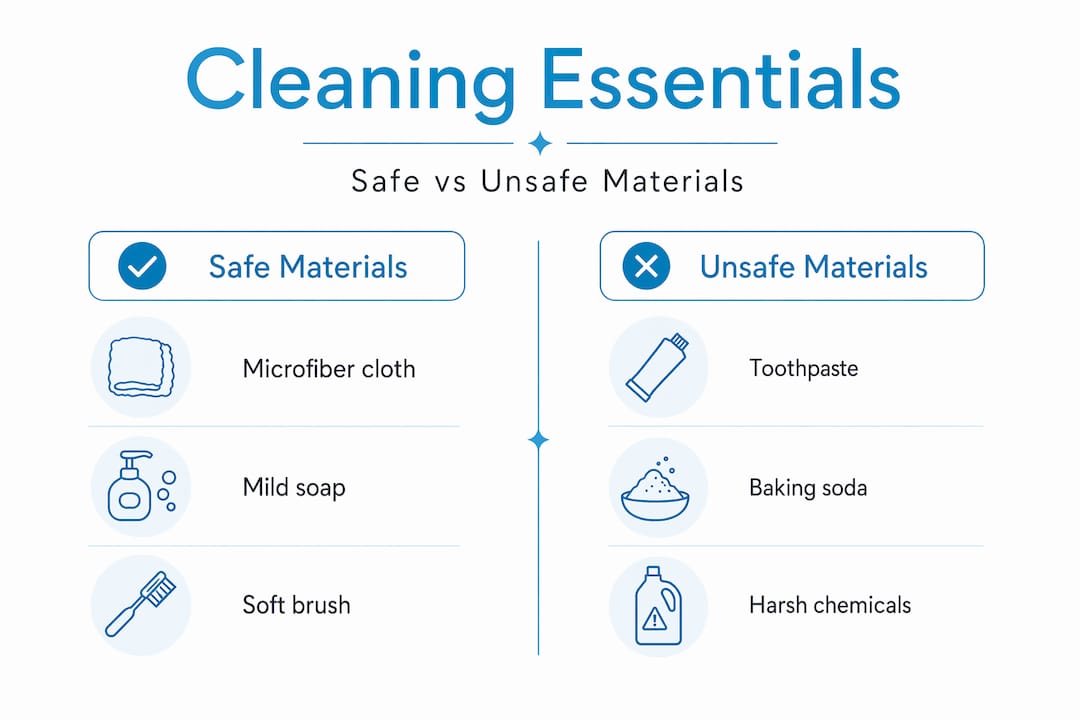
There are also materials you should actively keep away from your jewelry. Toothpaste and baking soda are abrasive and will scratch plated surfaces and damage stones. Commercial silver dip solutions are particularly dangerous for pieces with enamel or inlaid stones because they dissolve the finish and loosen settings. Rubber bands, wool, and felt all contain sulfur compounds and should never come into contact with silver jewelry.
Pro Tip: Buy two polishing cloths: one for gold-plated pieces and one for silver-plated pieces. Using the same cloth for both can transfer residue and cause unintended discoloration.
| Material | Safe to use | Notes |
|---|---|---|
| Microfiber cloth | Yes | Best for daily wiping and polishing |
| Mild fragrance-free soap | Yes | Use diluted in warm water only |
| Soft-bristled brush | Yes | Ideal for engraved details |
| Toothpaste | No | Abrasive, damages plating |
| Commercial silver dip | No | Harms enamel and gemstone settings |
| Rubber bands | No | Contain sulfur, accelerate tarnishing |
| Bleach or ammonia | No | Destroys plating and metal integrity |
Step-by-step cleaning for different materials
Cleaning Islamic jewelry safely is not complicated, but it does require attention to the specific material you are working with. A gold-plated Ayatul Kursi necklace needs a different approach than a sterling silver ring or a piece set with semi-precious stones.
Follow these steps for most plated and sterling silver pieces:
- Wipe after every wear. As soon as you remove a piece, gently wipe it with a dry microfiber cloth. This removes skin oils, sweat, and any product residue before it has a chance to settle into the metal. Jewelry experts recommend wiping pieces after each wear as the single most effective habit for preventing tarnish.
- Prepare a cleaning solution. Fill a small bowl with lukewarm water and add one or two drops of mild, fragrance-free dish soap. Do not use hot water, especially on pieces with stones or enamel.
- Dip a soft cloth or brush. For smooth pieces, dip the cloth lightly and gently rub the surface. For intricate pieces with engraved calligraphy or detailed patterns, use the soft brush to reach the grooves. Work in small, circular motions.
- Rinse carefully. Hold the piece under a gentle stream of lukewarm water. Never submerge pieces with semi-precious stones or enamel in water, since moisture can seep behind settings and weaken adhesives over time.
- Pat dry immediately. Use a clean, dry microfiber cloth to pat the piece completely dry. Never let jewelry air-dry on its own because water sitting on plated metal causes tarnishing and water spots.
- Polish gently. Finish with a jewelry polishing cloth to restore shine and create a light protective layer on the surface.
- Schedule a deeper clean every three to four months. Deeper cleaning every 3-4 months using the soap-and-water method removes buildup that daily wiping misses.
Pro Tip: For pieces with Qur’anic verses engraved on them, take extra care when brushing the calligraphy grooves. Use the softest brush you can find and rinse the piece with minimal water pressure to avoid pushing residue deeper into the inscription.
For pearls and organic materials, do not submerge them at all. Wipe pearls with a soft, barely damp cloth after each wear and let them dry lying flat before storing. For delicate enamel work, avoid the brush entirely and use only a soft cloth dampened with plain water.

When tarnish or discoloration has already appeared, professional cleaning and inspection once a year is the most reliable solution. Many jewelers provide this service, and it is worth asking about it when you make a purchase.
Best storage practices to protect your pieces
How you store your Islamic jewelry matters just as much as how you clean it. A piece that is cleaned perfectly but stored carelessly will tarnish within weeks. The goal is to create an environment that is stable, dry, and free of chemical contact.
Here are the core storage practices to follow:
- Store every piece individually. Never let two pieces touch. Metal-on-metal contact causes scratching, and tangled chains can stretch or break. Use a velvet-lined box with separate compartments, or place each piece in its own soft pouch.
- Keep jewelry away from direct sunlight. UV exposure fades plating and can discolor gemstones. A dresser drawer or a closed jewelry box is always better than a display rack near a window.
- Avoid humidity. Bathrooms are the worst place to store jewelry, despite being the most convenient. Moisture accelerates oxidation on silver and weakens the bond between plating and the base metal.
- Apply perfumes, hairsprays, and lotions before putting on your jewelry, and let them dry completely before wearing any piece. This single habit prevents more surface degradation than almost any other practice.
- Use anti-tarnish bags and silica gel packets. Anti-tarnish bags and silica gel significantly reduce moisture and sulfur exposure, which are the two primary causes of tarnishing on silver jewelry.
- Keep silver away from rubber, wool, and felt. These materials contain sulfur compounds that react with silver and cause rapid tarnishing even without direct contact over time.
If you live in a humid or coastal environment, the challenge is greater. Salt in the air accelerates metal oxidation significantly. In these climates, use airtight containers for long-term storage, place multiple silica gel packets inside, and replace the packets every two to three months. Check stored pieces monthly rather than seasonally.
Pro Tip: Pearls are a special exception to the “keep dry” rule. They need a small amount of ambient humidity to prevent cracking. Store pearls in a soft cloth pouch rather than an airtight container, and never store them in a sealed plastic bag.
Jewelry storage as preservation is a concept worth taking seriously, especially for Islamic jewelry with spiritual and sentimental weight. A quality velvet-lined box is not an indulgence. It is the minimum standard for protecting something that matters. For tips on organizing multiple pieces without damage, the layering and stacking guide from Cairojewellery covers storage arrangements for those who wear several pieces at once.
Common mistakes and how to fix them
Even people who care deeply about their jewelry make avoidable mistakes. Here are the most common ones, and what to do if the damage has already happened.
- Storing jewelry while wet. This is the fastest way to cause tarnishing and water spots. Always dry pieces completely before putting them away.
- Using plastic bags for storage. Sealed plastic traps moisture against the metal and creates the exact humid environment that causes oxidation. Use fabric pouches or anti-tarnish bags instead.
- Applying lotions and perfumes while wearing jewelry. The sequence of cosmetic application is critical. Products applied after you put on jewelry sit on the metal surface and degrade the finish with every application.
- Using harsh home remedies to fix tarnish. Toothpaste, vinegar, and baking soda feel like practical solutions, but these methods damage plated finishes permanently and scratch softer stones. Once the plating is gone, it cannot be restored at home.
- Skipping professional maintenance. Annual professional inspection catches loose settings, worn clasps, and early tarnish before they become irreversible problems. Many jewelers offer this service at no cost.
“Jewelry storage and cleaning are acts of care, not just maintenance. When a piece carries Qur’anic words or a symbol of your faith, treating it with attention is a way of honoring what it represents.”
One surprising insight: regular wear actually protects sterling silver from tarnishing. Natural skin oils create a barrier that slows oxidation. Silver that sits in a drawer for months will often tarnish faster than silver that is worn and wiped regularly. If you have a silver piece you love, wearing it is part of caring for it.
When tarnish has already appeared on a piece, try a polishing cloth first. For deeper discoloration on silver, a paste of cornstarch and water applied with a soft cloth and then rinsed thoroughly can lift surface tarnish without the abrasiveness of toothpaste. If the tarnish is severe or the piece has sentimental or spiritual significance, a professional jeweler is the right choice.
For guidance on caring for specific halal jewellery materials, including stainless steel, gold plating, and silver, Cairojewellery has a dedicated resource that explains how each material behaves and what it needs.
My perspective on caring for Islamic jewelry
I’ve spent years working around faith-based jewelry, and the pattern I see most often is this: people invest real emotional significance into a piece and then store it in the first available drawer alongside rubber bands and receipts. The piece tarnishes, they feel guilty, and eventually it gets forgotten.
What I’ve learned is that caring for Islamic jewelry is not about being precious or obsessive. It’s about consistency and intention. A two-minute wipe-down after you take off your bracelet. A separate pouch instead of a pile. A yearly check with a jeweler. These are small acts, but they keep a piece alive for years rather than seasons.
The deeper point, in my experience, is that when a piece carries the words of Allah or a symbol of faith, the way you treat it reflects your relationship with what it represents. That doesn’t mean anxiety about perfection. It means giving it the same basic respect you would give anything that holds meaning in your life.
I also think the fear of doing the wrong thing stops a lot of people from doing anything at all. They worry about damaging the piece and end up never cleaning it, which causes the very damage they were afraid of. Start simple. Soft cloth, mild soap, proper storage. That handles ninety percent of what any Islamic jewelry piece needs.
— Elias
Care for your Cairojewellery pieces

At Cairojewellery, every piece is designed to be worn, carried with you, and passed on. The Ayatul Kursi Bracelet, the With Hardship Comes Ease Necklace, the Olive Branch Ring: these are not decorative items. They are reminders, gifts made with intention, pieces you reach for on the days that matter most. That kind of significance deserves more than an afterthought when it comes to care.
Cairojewellery recommends pairing each piece with a soft individual pouch from the moment you receive it, and following the gentle cleaning routine outlined in this guide. Every order also connects to Cairojewellery’s donations and support system, which means your purchase gives back to communities in need. When you care for your piece and protect its longevity, you are also honoring the meaning behind why it was made. Explore the full collection and find the right care approach for every piece you own or plan to give.
FAQ
How often should I clean Islamic jewelry?
Wipe pieces after every wear with a soft cloth and do a deeper soap-and-water clean every three to four months. Schedule a professional inspection once a year.
Can I use toothpaste to clean gold-plated Islamic jewelry?
No. Toothpaste is abrasive and will permanently scratch and strip the plating from gold or silver pieces. Use only mild soap diluted in warm water with a soft cloth.
What is the best way to store Islamic jewelry to prevent tarnishing?
Store each piece individually in a soft pouch or velvet-lined compartment, away from sunlight and humidity. Use anti-tarnish bags and silica gel packets to control moisture and sulfur exposure.
Does wearing silver Islamic jewelry prevent tarnishing?
Yes. Wearing sterling silver regularly creates a natural protective barrier from skin oils that actually slows oxidation. Silver stored in a drawer for extended periods often tarnishes faster than pieces worn and wiped consistently.
When should I take Islamic jewelry to a professional jeweler?
Take any piece to a professional if tarnish does not respond to polishing cloths, if a setting feels loose, or if a clasp is worn. Annual professional inspection is recommended for all fine or sentimental pieces, and many jewelers offer this service at no additional cost.