Muslim fashion in 2026 is defined as a global style movement that unites minimalist design, functional fabrics, and ethical production within the framework of Islamic modesty values. The industry is no longer a niche religious category. It is a mainstream lifestyle force, with spending projected to reach $433 billion by 2028 and over 50% of the global Muslim population under age 25. That demographic reality is reshaping every corner of modest fashion, from silhouette choices to supply chain ethics. Understanding what is Muslim fashion in 2026 means understanding a movement driven equally by faith, identity, and conscious consumption.
What are the dominant style trends in muslim fashion 2026?
The visual identity of Muslim fashion trends 2026 centers on calm, grounded color palettes and fluid, architectural silhouettes. This is not minimalism for its own sake. It reflects a deliberate shift toward garments that carry spiritual weight without visual noise.
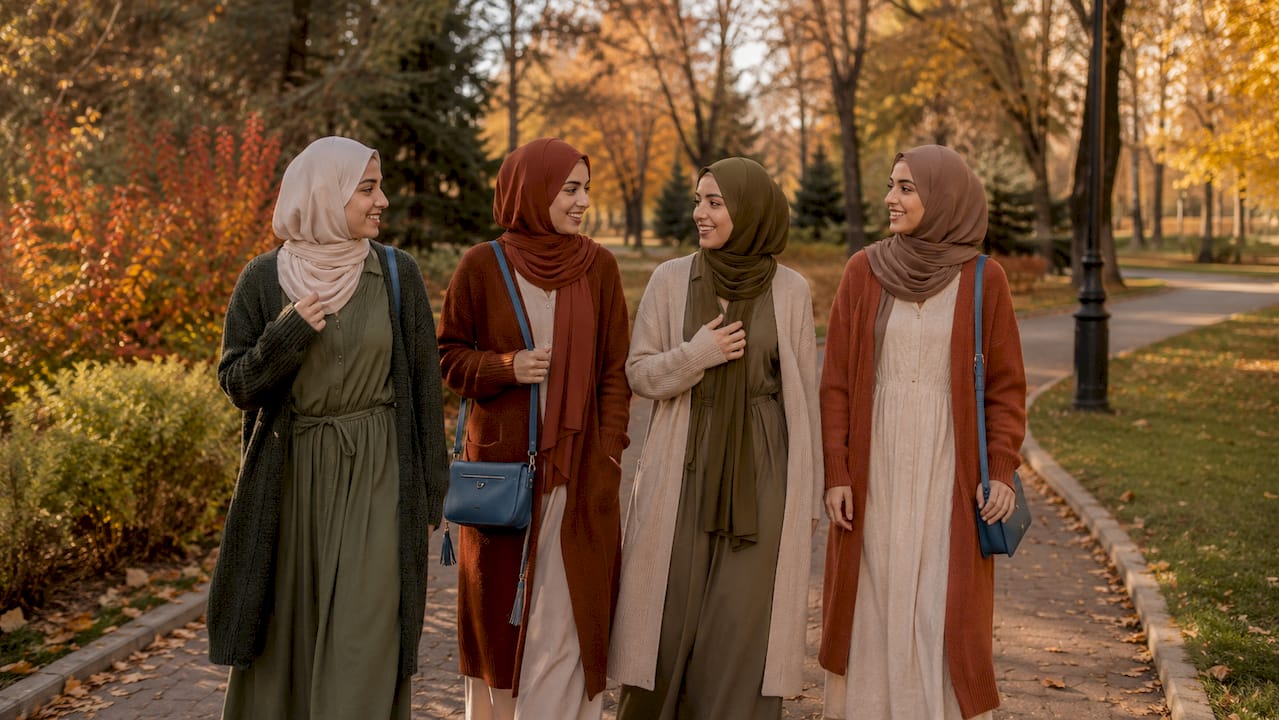
Color palettes that define the season
2026 style trends favor earth tones for autumn and winter: terracotta, cinnamon, cocoa, and warm beige. Spring collections pivot to butter yellow and powder blue. These palettes work across cultural contexts, from Gulf formal wear to European daywear, which explains their rapid adoption across regions.
The key silhouettes shaping designs in Muslim fashion 2026 include:
- Flowing satin maxi dresses with relaxed, draped construction
- Architectural abayas with structured shoulders and clean geometric lines
- Wide-leg trousers paired with long tunics or oversized blazers
- Minimalist kaftans in solid tones with subtle embroidery at the cuffs or neckline
- Structured modest accessories including wide belts and layered scarves in tonal shades
| Style Element | 2024 Direction | 2026 Direction |
|---|---|---|
| Color palette | Bold prints, jewel tones | Earth tones, muted neutrals |
| Silhouette | Fitted modest cuts | Flowing, architectural shapes |
| Fabric | Standard cotton and polyester | Bamboo silk, recycled chiffon |
| Accessories | Statement pieces | Tonal, layered, faith-based |
Pro Tip: When building a 2026 modest wardrobe, anchor your palette in two or three earth tones and use spring accent colors only in scarves or accessories. This keeps your wardrobe cohesive across seasons without requiring a full refresh.
How are innovation and sustainability shaping muslim fashion in 2026?
Sustainability is no longer optional in modest fashion. The modest fashion industry now treats ethical responsibility as a core trend driver, not a marketing add-on. This shift is visible in both fabric technology and brand supply chain commitments.
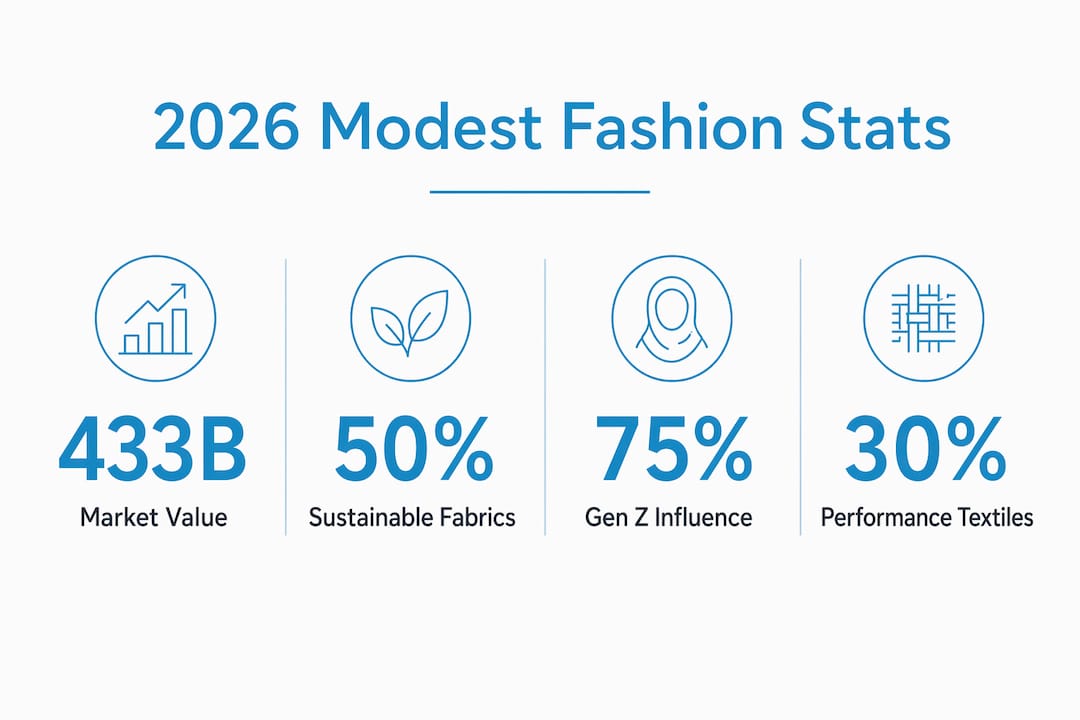
Fabric technology leading the change
Functional fabric innovations in 2026 include thermoregulating, non-wrinkle, and UV-protective materials such as bamboo silk, recycled chiffon, and organic cotton. These fabrics solve a real problem: full-coverage garments in warm climates require breathability that standard polyester cannot deliver. Bamboo silk, for example, regulates body temperature while maintaining the opacity and drape that modesty standards require.
The practical steps modest fashion consumers are taking in 2026:
- Choosing certified fabrics. Look for OEKO-TEX or GOTS certifications when buying online to verify ethical sourcing claims.
- Supporting transparent supply chains. Brands that publish factory information and material sourcing are gaining consumer trust over those that do not.
- Adopting repair and repurpose models. Convertible garment features like detachable overlays, adjustable hemlines, and convertible sleeves extend wearability and reduce fast fashion reliance.
- Investing in multifunctional pieces. A single structured abaya that transitions from office to evening wear replaces three single-occasion garments.
| Consumer Priority | Old Approach | 2026 Approach |
|---|---|---|
| Fabric choice | Price-driven | Performance and ethics-driven |
| Garment lifespan | Single season | Multi-season with repair mindset |
| Brand selection | Aesthetic-first | Transparency and values-first |
Pro Tip: Before purchasing any modest fashion piece online, search for user-generated reviews that show the garment in natural lighting. Filter and edited photos frequently misrepresent fabric opacity, which matters significantly for modesty standards.
How do cultural influences shape muslim fashion in 2026?
The future of Islamic clothing is not a single aesthetic. It is a conversation between generations, geographies, and personal values. Cultural influences on Muslim fashion in 2026 produce genuinely different results depending on where and how a person practices their faith.
Gen z and the streetwear intersection
Gen Z modest fashion blends Sharia compliance with oversized streetwear, layering, and soft aesthetics for personal expression. This is not a compromise of religious values. It is a creative negotiation that uses fashion as a language for both faith and identity. Oversized hoodies layered under open abayas, wide-leg cargo trousers with long modest tops, and tonal hijab styling with streetwear sneakers are all expressions of this synthesis. You can explore this further in Cairojewellery’s guide to Muslim streetwear culture.
Regional differences remain significant:
- Gulf states favor ornate embroidery, luxe fabrics, and formal occasion dressing with rich color accents
- European Muslim communities lean toward minimalist daywear that integrates with mainstream fashion without erasing Islamic identity
- Southeast Asian markets blend local batik and traditional textile traditions with contemporary modest silhouettes
The jilbab as a garment illustrates this dynamic clearly. It functions simultaneously as a spiritual symbol and a style statement, reshaped continuously by cultural, commercial, and political forces. What it means in Jakarta differs from what it means in London or Riyadh.
“Modest fashion in Europe shifted in 2026 from a narrow religious view to a fluid, individual lifestyle emphasizing autonomy and ethics.” — Al Jazeera, Modest Fashion’s Global Turn
Social media accelerates all of this. Muslim fashion for young women is increasingly shaped by creators on Instagram, TikTok, and Pinterest who demonstrate real-world styling rather than editorial fantasy. The influence is direct, fast, and global.
What wardrobe strategies do modest fashion enthusiasts follow in 2026?
Building a modest wardrobe in 2026 is a practice of intention. The most effective approach is not buying more. It is buying better and building a modular system that serves multiple contexts.
Building a modular base-layer system
Expert modest fashion shoppers prioritize versatile base-layer systems with moisture-wicking, breathable fabrics for layering rather than single-occasion outfits. This approach works because it separates coverage from style. A base layer handles opacity and comfort. Outer garments handle aesthetics and occasion.
The core principles of a 2026 modest wardrobe:
- Prioritize opacity and breathability together. Bamboo silk and organic cotton blends deliver both without sacrificing drape.
- Choose neutral base layers. Beige, white, and charcoal base layers pair with every outer garment in your wardrobe.
- Invest in convertible outer pieces. Garments with detachable overlays and adjustable hemlines multiply outfit combinations without multiplying purchases.
- Assess garments in real light. Fabric opacity looks different under studio lighting than in daylight. Always check user-generated content before buying online.
- Resist hyper-aesthetic social media pressure. Filtered portrayals of modest fashion frequently misrepresent how garments actually look and feel in daily life.
The repair and repurpose mindset is gaining real traction among modest fashion consumers. This aligns naturally with Islamic values around avoiding waste and practicing gratitude for what you have. Fashion that lasts is fashion that means something.
Pro Tip: Build your modest wardrobe around three anchor pieces: one structured abaya, one flowing maxi dress, and one wide-leg trouser set. From these three, you can create over a dozen distinct outfits by varying your hijab styling, layering, and accessories.
Key takeaways
Muslim fashion in 2026 is defined by the convergence of minimalist aesthetics, sustainable fabric technology, and culturally diverse expressions of Islamic identity that together form a mature, globally significant style movement.
| Point | Details |
|---|---|
| Market scale and youth | Spending is projected to reach $433 billion by 2028, driven by a majority-young global Muslim population. |
| Dominant 2026 aesthetics | Earth tones, flowing maxi silhouettes, and architectural abayas define the visual direction this year. |
| Sustainability as standard | Bamboo silk, recycled chiffon, and convertible garment design are now baseline consumer expectations. |
| Cultural diversity in modest style | Gulf, European, and Southeast Asian markets each produce distinct interpretations of modest fashion. |
| Wardrobe strategy | Modular base-layer systems and a repair mindset outperform trend-chasing for long-term modest style. |
Why muslim fashion in 2026 feels different from any year before
I have followed modest fashion closely for years, and 2026 marks a genuine turning point. The conversation has shifted. It used to be about whether modest fashion could be stylish. Now it is about whether the industry can sustain the values it claims to represent.
What strikes me most is how Gen Z is handling the tension between religious identity and personal expression. They are not choosing one over the other. They are building a third option, one that uses layering, fabric choice, and accessory curation to say something specific about who they are. That is not compromise. That is creativity.
The sustainability piece matters more than most trend reports acknowledge. When a Muslim woman chooses bamboo silk over polyester, she is often making a values decision that connects her faith, her body, and her environmental conscience in a single purchase. That depth of intention is what separates modest fashion from mainstream fashion right now.
My honest concern is the influence of hyper-curated social media content. Filters that make sheer fabric look opaque, or that present a single aesthetic as the only valid expression of modest style, do real harm. The most authentic modest fashion content I see comes from everyday wearers showing real garments in real light. Support those creators. They are doing the most important work in this space.
The role of faith in Muslim fashion is not decorative. It is structural. The brands and designers who understand that will define the next decade of this movement.
— Elias
Complete your modest style with meaningful accessories
Muslim fashion in 2026 is about the full picture, from the silhouette you choose to the pieces that carry meaning closest to your skin. Cairojewellery designs faith-based jewelry that completes a modest wardrobe with intention. Each piece, from the Ayatul Kursi Bracelet to the With Hardship Comes Ease Necklace, is crafted in stainless steel with gold or silver plating and engraved with Qur’anic verses that stay with you through every part of your day.
Whether you are building your own modest wardrobe or looking for a gift that means something real, Cairojewellery offers pieces that reflect the same values this movement is built on: faith, quality, and purpose. Every order also contributes a meal through the ShareTheMeal program. Explore the full collection of Islamic jewelry pieces and find something worth wearing every day.
FAQ
What is muslim fashion in 2026?
Muslim fashion in 2026 is a global style movement that combines Islamic modesty values with minimalist aesthetics, sustainable fabrics, and culturally diverse design. The market is projected to reach $433 billion by 2028, driven largely by a young, globally connected Muslim demographic.
What are the key color trends in modest fashion for 2026?
Earth tones including terracotta, cinnamon, cocoa, and beige dominate autumn and winter collections, while butter yellow and powder blue define spring palettes. These colors appear across abayas, co-ord sets, and wide-leg trouser styles.
How does gen z approach modest fashion differently?
Gen Z blends Sharia compliance with oversized streetwear, layering techniques, and soft aesthetics to express both religious identity and personal style simultaneously. This approach treats modest fashion as a creative language rather than a set of restrictions.
What fabrics are most popular in muslim fashion right now?
Bamboo silk, recycled chiffon, and organic cotton are the leading fabric choices in 2026 because they combine thermoregulation, UV protection, and opacity. These materials meet both modesty requirements and sustainability expectations.
How do i build a versatile modest wardrobe in 2026?
Start with a modular base-layer system using breathable, moisture-wicking fabrics, then add convertible outer pieces with detachable overlays or adjustable hemlines. This approach maximizes outfit combinations while minimizing fast fashion purchases.